

GlucoTonic Review: The Marketing Patterns Worth Recognizing Before You Buy
Search for a GlucoTonic review and you’ll find an unusually large number of pages competing to convince you it’s legitimate — “doctor investigated,” “expert pharmacist analysis,” “real results,” each claiming independence while describing the same product in slightly different, sometimes contradictory ways. This GlucoTonic review skips the repeated marketing script and instead walks through exactly what makes this listing worth extra scrutiny before you trust it with your health or your money.
Blood sugar supplements are a category that deserves more caution than most, since the people researching them often manage real conditions like prediabetes or type 2 diabetes. When a product’s marketing shows this many inconsistencies at once, it’s worth slowing down rather than trusting the first glowing headline you find.
Why GlucoTonic Marketing Shows Up on Sites That Make No Sense
The clearest red flag uncovered while researching this GlucoTonic review is where some of its promotional content is actually hosted: a PDF on the website of a multiple sclerosis nonprofit’s magazine, and another file on Georgia Tech’s academic upload system. Neither organization has any connection to a blood sugar supplement, and it’s extremely unlikely either authorized this content. This exact pattern — publishing affiliate marketing through open upload forms on unrelated nonprofit and university sites — has now shown up across multiple supplements researched in this space, which points to a shared marketing network rather than isolated incidents.
One of these pages even carries a title with a garbled string of random characters attached, a technical fingerprint of automated bulk content generation rather than something written by an actual reviewer. When you see a product review published somewhere with no logical reason to host it, treat that placement as more informative than anything written inside the article.
The Numbers and Format That Keep Changing
GlucoTonic’s basic facts shift depending on which page you’re reading. One site claims “over 37,000 users have already switched to GlucoTonic,” another cites “over 89,000 customer reviews” with a 4-star rating, and a third references “hundreds of positive reviews” at 4.9 stars. None of these figures link to an independent, verifiable review platform. When the same product’s numbers keep changing across supposedly separate reviewers, it’s a strong sign the content originates from a shared marketing source rather than genuine, independent data.
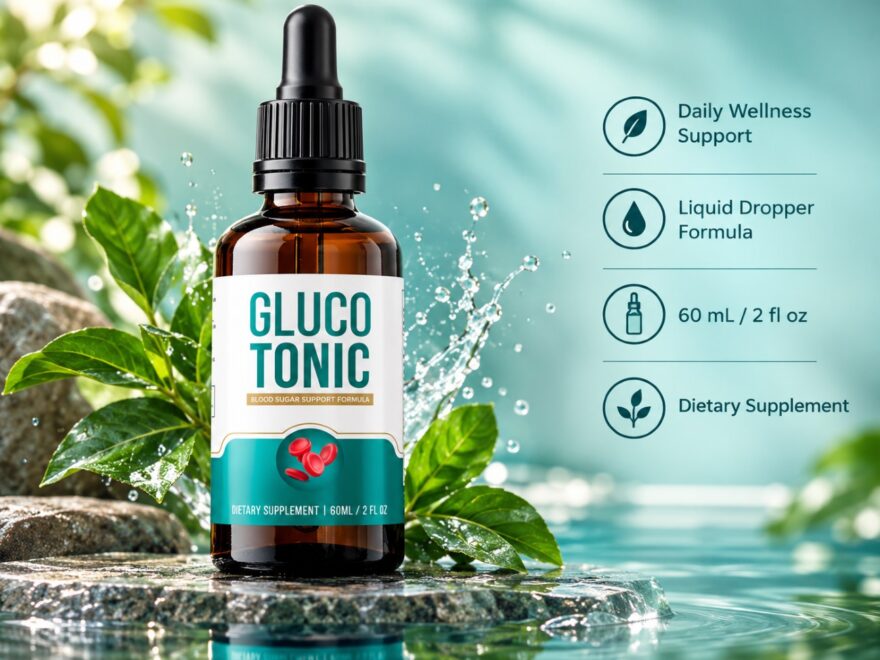
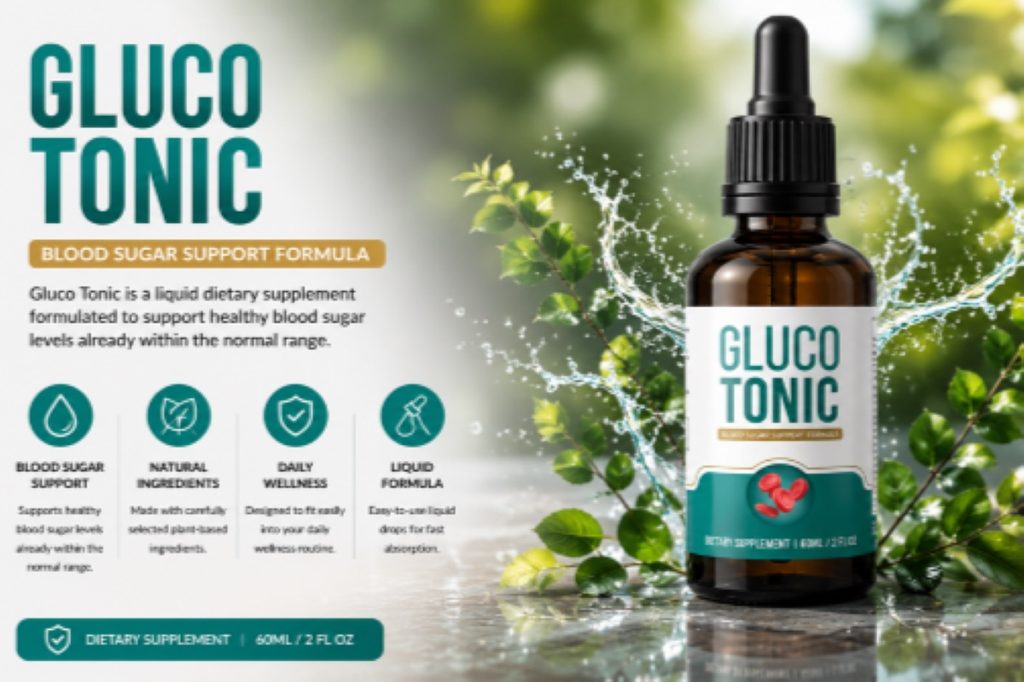
The product’s actual format is similarly inconsistent — some pages describe GlucoTonic as a capsule, others describe a liquid dropper marketed for “faster absorption and higher bioavailability.” A single, real product should be described the same way across every legitimate source. This kind of drift usually means marketing copy is being rewritten and republished across a wide network without much concern for consistency.
- Compare review counts and star ratings across multiple sources — inconsistency is a stronger signal than any single number
- Check whether the product’s format (capsule, liquid, gummy) is described the same way everywhere you look
- Search a distinctive phrase from the marketing copy to see how many “independent” sites use nearly identical wording
- Notice when a title contains a random string of characters, a technical sign of automated content publishing
When “Independent Review” Sites Still Sell the Product
One site promoting GlucoTonic describes itself as an independent health information platform that “maintains strict editorial independence and does not make unsubstantiated claims,” while simultaneously selling the product through ClickBank, a well-known affiliate marketing platform. Claiming editorial independence while earning a commission on every sale is a direct conflict of interest, regardless of how the site frames its methodology section.
Another page includes what appears to be leftover website interface text mixed directly into the article body — a phrase like “tap anywhere to close or scroll better” has no place in a genuine written review and suggests the content was assembled from a template rather than written and edited by a person who actually evaluated the product.
What to Do If You’re Still Considering GlucoTonic
None of this proves GlucoTonic contains harmful ingredients — several of the compounds mentioned, like Gymnema Sylvestre and cinnamon bark extract, have legitimate general research behind them for blood sugar support. The issue is that the marketing surrounding this specific product is built on inconsistent, unverifiable claims distributed through a network that includes compromised institutional websites, which makes it very difficult to trust any single review at face value.
If you decide to research further, go directly to the manufacturer’s official site rather than any third-party “review,” and treat testimonials describing significant weight loss or dramatic blood sugar changes with real skepticism, especially for a supplement in a category not primarily marketed for weight loss. If you’re managing diabetes or prediabetes, loop your doctor in before adding any new supplement, since several common ingredients in this category can interact with glucose-lowering medications.
This article is for informational purposes only and is not medical advice. Consult a healthcare provider before starting any blood sugar supplement, and never replace prescribed diabetes treatment with an unverified product.
Frequently Asked Questions About GlucoTonic
Why do GlucoTonic reviews describe different product formats? Sources inconsistently describe it as a capsule, a liquid dropper, or a gummy, suggesting marketing content copied and altered across a wide affiliate network rather than one verified product.
Are the tens of thousands of GlucoTonic reviews real? The cited figures vary significantly between sources and aren’t linked to independent, checkable platforms, so they should be treated as unverified marketing claims.
Why does GlucoTonic marketing appear on nonprofit and university websites? Some promotional PDFs were found hosted on unrelated institutional sites, a pattern consistent with exploiting open upload systems to publish affiliate content.
Can GlucoTonic replace diabetes medication? No. No dietary supplement should replace prescribed diabetes treatment, and anyone managing diabetes should consult a doctor before adding a new supplement.
Have you come across a GlucoTonic review with numbers or claims that didn’t match other sources, or found similar marketing scattered across unrelated websites? Share what you noticed in the comments — and let me know if you’d like a future post on how to trace where a supplement’s marketing content actually originates.