Nitric Boost Ultra Review: The Marketing Network Behind This Circulation Supplement
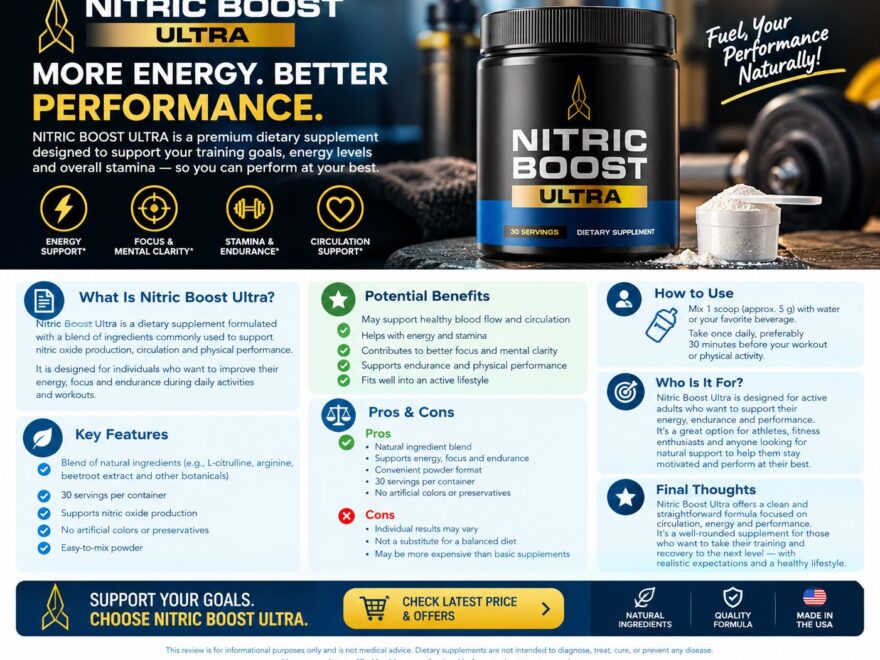
Nitric oxide supplements have become one of the most heavily promoted categories in men’s health, and Nitric Boost Ultra shows up in an unusually large number of search results claiming to review it. Rather than repeating the circulation-and-vitality pitch found on dozens of near-identical pages, this Nitric Boost Ultra review focuses on tracing where that content actually comes from, because the publishing pattern reveals more than the marketing copy does.
Nitric oxide itself is a real, well-studied signaling molecule involved in blood vessel dilation, and ingredients like beetroot, L-arginine, and L-citrulline do have genuine research behind their role in circulation. That legitimate science is exactly what makes this category attractive to low-quality marketing networks — real biology gets borrowed to sell an unverified finished product, and Nitric Boost Ultra is a clear example of that pattern in action.
Why Nitric Boost Ultra Keeps Turning Up on Unrelated Nonprofit Sites
The most telling detail uncovered while researching this Nitric Boost Ultra review is where some of its promotional PDFs are actually hosted: the website of a foundation supporting people affected by congenital CMV infection, and separately, a nonprofit focused on multiple sclerosis. Neither organization has any connection to a men’s health supplement, and it’s highly unlikely either one authorized this content. This points to an open upload system being exploited to publish affiliate marketing material under the appearance of a legitimate domain.
This is the same tactic seen across other heavily promoted supplements — using compromised or open submission tools on real institutions to boost a product’s apparent credibility and search visibility. If you find a supplement review hosted somewhere with no logical reason to publish it, treat that placement itself as a warning sign, independent of anything the review actually claims.
Inflated Numbers and Borrowed Scientific Authority
Several Nitric Boost Ultra pages cite a rating of roughly 4 stars based on more than 86,000 customer reviews, a figure that appears repeatedly across different sites but never links to an independent, checkable review platform. When a specific, large number gets reused across many “different” sources with no traceable origin, it’s reasonable to treat it as a marketing figure rather than verified data.
Other pages reference unnamed doctors who supposedly reviewed the ingredient combination and found that pairing beetroot nitrates with L-arginine and L-citrulline increases nitric oxide production by “25 to 30 percent” over amino acids alone. That specific percentage sounds precise, which is part of what makes it convincing, but without a named study or citation behind it, there’s no way to verify where that number actually comes from.
- Treat large, round review counts as unverified unless they link to an actual independent platform
- Be cautious of specific-sounding percentages (“25-30% more effective”) that aren’t attached to a named, citable study
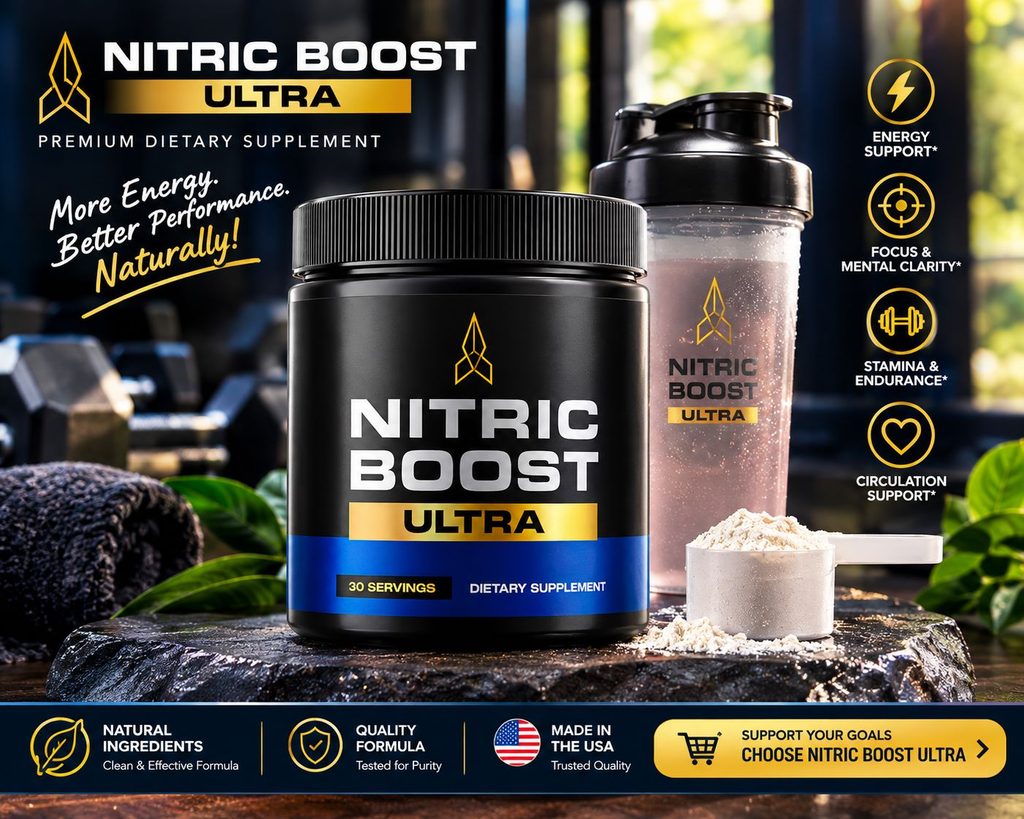
- Notice when the product’s format changes between sources — some describe a powder, others a capsule, which suggests inconsistent marketing content rather than one verified product
- Search for the exact phrase used in a review’s headline to see how many other sites publish near-identical wording
Why the Underlying Ingredients Still Deserve a Fair Look
It’s worth separating the marketing tactics from the ingredient science itself. Beetroot’s nitrate content, along with L-arginine and L-citrulline, are genuinely studied in sports nutrition and cardiovascular research for supporting circulation and exercise performance. The issue isn’t that these ingredients are fake — it’s that a finished proprietary blend, sold through a scattered and sometimes deceptive marketing network, doesn’t automatically deliver the same results seen in controlled studies of the individual ingredients at researched doses.
If improved circulation, stamina, or blood pressure is your actual goal, that’s also a conversation worth having with a doctor, especially if you’re already on blood pressure medication. Nitric oxide-boosting ingredients can affect blood pressure, and stacking a supplement like this on top of existing medication without medical guidance isn’t a risk worth taking casually.
Questions to Ask Before Trying Nitric Boost Ultra
If you’re still weighing whether to try it, a short checklist can help you separate a reasonable purchase from a marketing trap.
- Does the seller disclose the exact milligram dose of each active ingredient, not just a proprietary blend total?
- Can you verify the review count and star rating on an independent platform outside the seller’s own marketing pages?
- Are you currently taking blood pressure medication or other supplements that affect circulation, and have you checked with a doctor about combining them?
- Is the product sold consistently as one format (capsule or powder) across every source you check, or does the description keep changing?
This article is for informational purposes only and is not medical advice. Consult a healthcare provider before starting any circulation or nitric oxide supplement, especially if you take blood pressure medication or have a cardiovascular condition.
Frequently Asked Questions About Nitric Boost Ultra
Is Nitric Boost Ultra backed by real clinical studies? Individual ingredients like beetroot and L-citrulline have genuine research behind them, but the specific claims made about the finished Nitric Boost Ultra formula aren’t independently verified.
Why does Nitric Boost Ultra marketing appear on nonprofit and institutional websites? Some promotional PDFs were found hosted on unrelated nonprofit sites, suggesting an open upload system was used to publish affiliate content without authorization.
Is it safe to combine Nitric Boost Ultra with blood pressure medication? Not without medical guidance. Nitric oxide-boosting ingredients can affect blood pressure, so anyone on related medication should consult a doctor first.
Are the 86,000 Nitric Boost Ultra reviews real? That figure isn’t linked to any independently verifiable review platform and should be treated with caution rather than as confirmed data.
Have you noticed a Nitric Boost Ultra review published somewhere unexpected, or spotted similar marketing patterns with other circulation supplements? Share what you found in the comments — and let me know if you’d like a future post breaking down which nitric oxide ingredients actually have the strongest research behind them.