

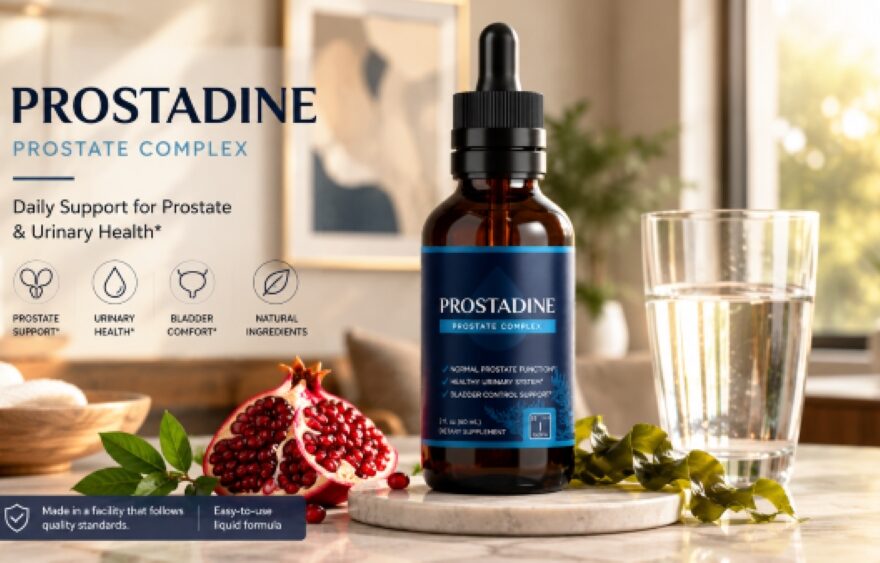
Prostadine Review: The Iodine Detail Most Reviews Skip
Most articles covering Prostadine repeat the same structure: a liquid drop formula, nine natural ingredients, and glowing claims about urinary flow and prostate comfort. This Prostadine review covers that ground too, but focuses more closely on one detail that gets buried in most coverage — the iodine-rich seaweed ingredients at the core of the formula, and what that actually means for certain buyers.
Prostate health concerns affect a huge share of men as they age, which makes this one of the most heavily marketed supplement categories online. Understanding exactly what’s in a product like Prostadine, and where its claims outpace the evidence, matters more here than in most wellness categories, since urinary symptoms can also signal conditions that genuinely need medical evaluation.
What Prostadine Claims to Do
Prostadine is a liquid tincture supplement built around nine ingredients: Nori Yaki extract, Wakame extract, Kelp Powder, Saw Palmetto, Pomegranate Extract, Neem, Tomato Extract Powder, Broccoli Extract, and Zinc. It’s marketed for prostate, kidney, and urinary tract support, with some promotional material going further, describing it as helping “remove toxic buildup around the prostate glands” and even suggesting it may reduce prostate cancer risk — a claim that goes well beyond what any dietary supplement is legally or scientifically positioned to support, and one that a genuinely careful buyer should treat with real skepticism.
The Iodine Detail Most Prostadine Reviews Skip
Three of the nine ingredients in Prostadine — nori, wakame, and kelp — are seaweed-derived and naturally high in iodine. That’s relevant because excessive iodine intake is a documented cause of thyroid dysfunction, including both hypothyroidism and hyperthyroidism, particularly in people with existing thyroid conditions or a history of thyroid issues. This isn’t a fringe concern; it’s one of the more consistently repeated cautions across independent coverage of the product, yet it rarely appears prominently on the official sales pages themselves. Anyone with a thyroid condition, or taking thyroid medication, should treat this as a genuine reason to talk to a doctor before trying Prostadine, not a minor footnote.
What the Rest of the Prostadine Formula Actually Shows in Research
Beyond the seaweed component, the remaining ingredients carry a mix of solid and more limited evidence:
- Saw palmetto — The most researched ingredient for urinary symptoms tied to benign prostatic hyperplasia, though results across clinical trials remain mixed rather than uniformly positive.
- Zinc — Plays a genuine role in prostate tissue function, with more benefit typically seen in men who are actually deficient.
- Pomegranate extract — A real antioxidant source, with general health research but limited direct evidence for prostate-specific outcomes.
- Broccoli and tomato extract — Contain compounds like sulforaphane and lycopene studied for general prostate health, though typically at food-based intake levels rather than concentrated extract doses.
One claim worth flagging specifically: the idea that Prostadine “dissolves mineral calcifications” in the prostate is weaker than the evidence for its individual ingredients and hasn’t been validated by independent, placebo-controlled human trials. As with most proprietary blends, exact per-ingredient dosages aren’t disclosed, making it impossible to confirm whether any component is present at a clinically meaningful amount.
What Actually Supports Prostate and Urinary Health
Whether or not you try Prostadine, these approaches have more consistent evidence behind them:
- Regular screening. PSA testing and physical exams remain the most reliable way to catch prostate issues early, something no supplement can substitute for.
- Reducing evening fluids and caffeine. A simple, well-supported way to reduce nighttime urination frequency.
- Pelvic floor exercises. Have reasonable evidence for improving urinary control and comfort.
- Maintaining a healthy weight. Linked to lower risk of BPH-related symptoms over time.
Pricing, Guarantees, and Who Should Be Cautious
Prostadine is sold directly through its official website, typically with a 60-day refund window, and the manufacturer explicitly warns that counterfeit listings exist elsewhere, so buying only through the verified official source matters if you want any guarantee to apply. Beyond the thyroid caution already mentioned, anyone taking blood thinners like warfarin should also check with a doctor, since some ingredients may interact with medications metabolized by the liver.
How Prostadine Compares to Capsule-Based Prostate Supplements
Prostadine stands out from most prostate supplements by using a liquid tincture format instead of capsules, which the marketing frames as an absorption advantage. In practice, the evidence for liquid formulations absorbing meaningfully better than capsules is limited and ingredient-dependent, so this is more of a convenience or preference factor than a proven benefit. Capsule-based competitors built around saw palmetto and zinc often disclose exact per-ingredient dosages more readily than Prostadine‘s proprietary blend does, which makes it easier to compare those products directly against the doses used in clinical research.
What genuinely sets Prostadine apart isn’t its format, but its ingredient list — few competing prostate formulas include seaweed-derived iodine sources at all, which is precisely why the thyroid consideration deserves more attention here than it would with a typical saw-palmetto-and-zinc capsule. If you’re comparing several prostate supplements, checking whether iodine appears anywhere on the label is a simple, specific step worth adding to your usual evaluation process.
Frequently Asked Questions About Prostadine
Can Prostadine reduce prostate cancer risk?
No. That claim, seen in some marketing, isn’t supported by clinical evidence, and no dietary supplement can legitimately make that promise.
Is Prostadine safe for people with thyroid conditions?
Caution is warranted. The seaweed-based ingredients are naturally high in iodine, which can affect thyroid function, so a doctor’s input matters here specifically.
How long before Prostadine shows results?
Marketing suggests 60 to 90 days of consistent use, consistent with how gradually ingredients like saw palmetto are understood to act.
Final Thoughts on This Prostadine Review
The ingredients in Prostadine include some genuinely researched components, like saw palmetto and zinc, but the iodine content deserves far more attention than most coverage gives it, and claims about cancer risk reduction or dissolving calcifications go well beyond verified evidence. If urinary symptoms are new, worsening, or paired with other concerning changes, a doctor’s evaluation should come before any supplement decision.
Have you tried Prostadine? Did you check with a doctor first, especially regarding thyroid health? Share your experience in the comments below.
