

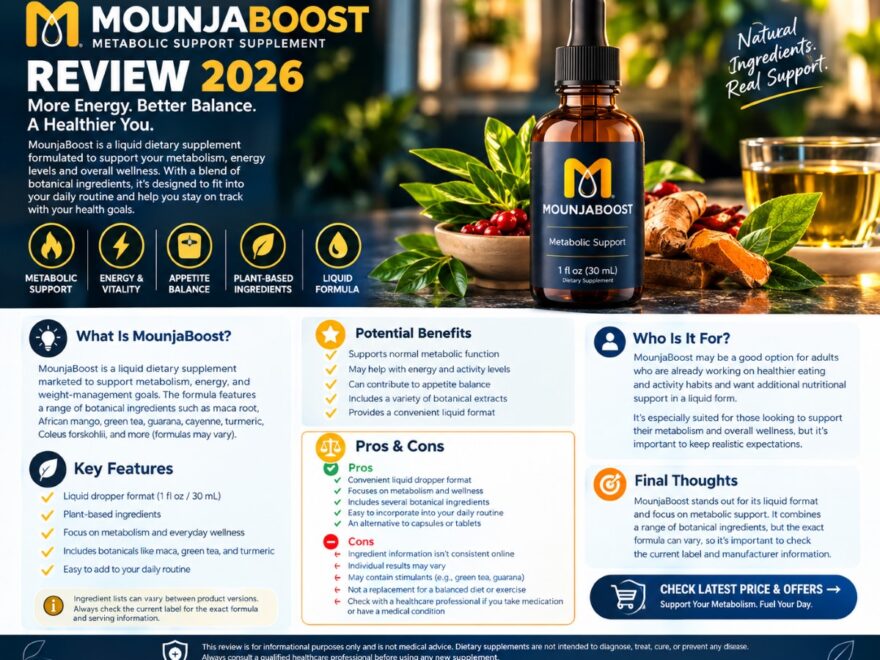
MounjaBoost Review: Red Flags Worth Knowing Before You Buy
Search for a MounjaBoost review and you’ll notice something right away: the name sounds a lot like Mounjaro, the prescription medication used for diabetes and weight management. That similarity isn’t a coincidence readers should overlook. This MounjaBoost review focuses on the patterns worth understanding before you trust this liquid supplement with your money or your metabolism, rather than repeating the marketing claims found across dozens of near-identical pages.
Weight-loss and metabolic supplements already deserve extra scrutiny, but a product whose name deliberately echoes a well-known prescription drug raises the stakes further. When a supplement borrows credibility from a medication it has no legal or clinical relationship to, that’s a marketing choice worth examining closely before deciding whether MounjaBoost belongs in your routine.
Why the MounjaBoost Name Itself Is a Red Flag
Mounjaro is an FDA-approved injectable medication containing tirzepatide, prescribed for type 2 diabetes and, under a different brand name, chronic weight management. MounjaBoost is an over-the-counter liquid supplement with no pharmaceutical relationship to that drug whatsoever. Naming a supplement to closely resemble a popular prescription medication is a recognized marketing tactic designed to capture search traffic from people looking for information about the real drug, implying a similarity in effectiveness that no over-the-counter supplement can legally claim.
This naming pattern shows up across the weight-loss supplement space, and it’s worth remembering any time you encounter a product name that sounds suspiciously close to a prescription medication. If a supplement worked anything like a GLP-1 drug, it would be regulated and sold as one.
The Repeated Statistics That Don’t Hold Up
Multiple MounjaBoost review pages cite the exact same statistic: a 4.9 out of 5 rating based on more than 120,000 reviews. This figure appears word-for-word identical across several supposedly independent websites, which strongly suggests the number originated from a single marketing source and was copied across an affiliate network rather than collected independently by each site. A genuine review count that large should be traceable to a specific, checkable platform — and in this case, it isn’t.
Some pages also cite an “expert panel” with named credentials, such as a PhD nutritional biochemist or a registered dietitian, reviewing the product. Without a way to verify these individuals or the study they supposedly conducted, this reads as a credibility device rather than confirmed peer review. A few sources even reference peer-reviewed literature and FDA warning letter archives in their methodology sections without linking to any of the actual documents.
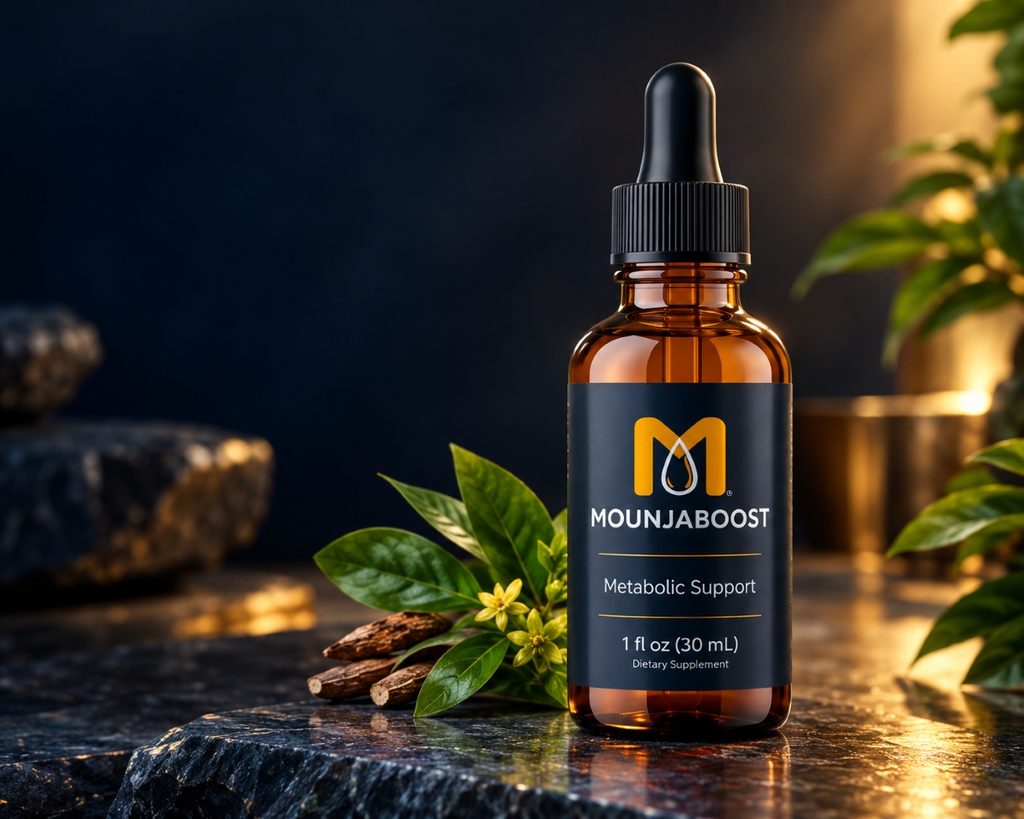
Billing Complaints and Metabolic Effects Worth Taking Seriously
Beyond the marketing red flags, independent reporting on MounjaBoost includes consumer complaint records describing disputed charges and aggressive upsells during checkout — a pattern commonly associated with hidden subscription enrollment, where a one-time purchase quietly turns into recurring billing. Before ordering anything from an unfamiliar supplement site, read the checkout page carefully and screenshot the order confirmation in case you need to dispute a charge later.
One more detail deserves attention: at least one source notes that MounjaBoost may lower blood glucose significantly enough to warrant a caution against treating it as a diabetes solution. That’s a meaningful admission buried in marketing copy. A supplement with a real, measurable effect on blood sugar isn’t something to take casually, especially if you’re on medication that also affects glucose levels.
How to Evaluate a Supplement Like MounjaBoost Yourself
These warning signs apply well beyond this one product, and knowing how to spot them protects you across the entire weight-loss supplement category.
- Be wary of any supplement name that closely echoes a prescription medication — it’s a tactic, not a coincidence
- Search a specific statistic, like a review count, in quotation marks to see how many other sites repeat it verbatim
- Look up named “experts” cited in a review to see if they have a verifiable, independent presence outside that one article
- Search the product name alongside “complaints,” “BBB,” or “chargeback” before entering payment information
- Talk to your doctor before taking any supplement described as having a notable effect on blood sugar, especially if you take diabetes or blood pressure medication
None of this proves MounjaBoost is entirely without benefit — some of its listed ingredients, like green tea extract and cayenne pepper, do have general research behind modest metabolic effects. But the combination of a name borrowed from a prescription drug, an unverifiable review count repeated across a marketing network, and real consumer complaints about billing is enough reason to research thoroughly and buy cautiously, if at all.
This article is for informational purposes only and is not medical advice. Consult a healthcare provider before starting any supplement that may affect blood sugar or metabolism, and review any subscription terms carefully before purchasing.
Frequently Asked Questions About MounjaBoost
Is MounjaBoost related to Mounjaro? No. MounjaBoost is an over-the-counter dietary supplement with no pharmaceutical connection to Mounjaro, which is a prescription medication containing tirzepatide.
Are the 120,000 MounjaBoost reviews real? That figure isn’t linked to any independent, verifiable review platform and appears identically across multiple marketing sites, which is a reason to treat it with skepticism rather than as confirmed data.
Has anyone reported billing problems with MounjaBoost? Yes, consumer complaint records reference disputed charges and aggressive upsells, which suggests checking the checkout process and subscription terms carefully before ordering.
Can MounjaBoost affect blood sugar? Some sources note a potentially significant effect on blood glucose, which means anyone on diabetes or blood pressure medication should consult a doctor before use.
Have you come across a MounjaBoost review that raised similar concerns, or noticed other supplements borrowing names from popular prescription medications? Share what you found in the comments — and let me know if you’d like a future post breaking down how to spot fake review counts across supplement marketing sites.