

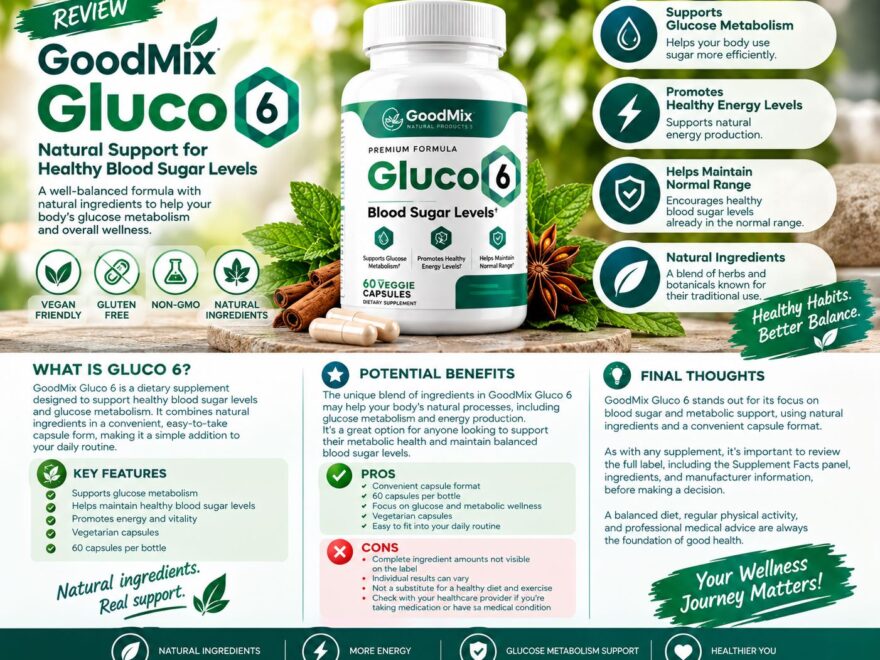
Gluco6 Review: The Marketing Patterns Worth Recognizing Before You Trust It
Few blood sugar supplements have been pushed through as many syndicated press releases as Gluco6, and that volume of near-identical coverage is itself worth examining. Rather than repeating the “targets the root cause of glucose instability” pitch copied across dozens of sites, this Gluco6 review focuses on where that content actually comes from and what it leaves out, because the pattern here matters more than any single testimonial.
Blood sugar supplements deserve more scrutiny than most categories, since the people researching them are often managing real conditions like prediabetes or type 2 diabetes. When a product’s marketing shows the kind of coordinated, repetitive pattern Gluco6 does, it’s worth slowing down before trusting it with something this important.
Why So Many Gluco6 “Reviews” Read Identically
The same press release promoting Gluco6, built around phrases like “GLUT-4 receptor breakdown” and “Sukre Technology,” appears nearly word-for-word across a long list of sites, including GlobeNewswire, Yahoo Finance, Business Upturn, and several smaller news-aggregator domains. This kind of distribution typically happens through paid wire services, which publish submitted content without independently verifying the health claims inside it. Seeing identical “reviews” across so many outlets is a sign of coordinated marketing distribution, not independent journalism arriving at the same conclusion separately.
Within that repeated copy, a quote attributed to “Dr. Samuel Avery, a researcher in nutritional endocrinology,” appears as supporting evidence for the GLUT-4 mechanism. There’s no independently verifiable affiliation, publication record, or institution tied to this name across the sources reviewed, which means the quote functions as a credibility device rather than confirmed expert testimony.
A Possible Regulatory Complaint Worth Noting
One document surfaced in connection with Gluco6 appears to be hosted within the Pennsylvania Department of Health’s licensing complaint attachment system, based on the file naming pattern used in that state’s online portal. This doesn’t confirm the specific nature or outcome of any complaint, but a filing pattern like this is different from the usual hijacked-nonprofit or university uploads seen with other supplements — it suggests this product may have drawn formal regulatory attention in at least one state, which is worth factoring into how cautiously you approach it.
- Search the product name alongside your state health department or the FTC to check for complaint records or warning letters
- Treat identical “reviews” published across many different news and finance sites as a single marketing source, not independent confirmation
- Search any named expert’s credentials independently before trusting a quote attributed to them
- Be cautious of jargon like “GLUT-4 receptor activation” used repeatedly without a citation to a specific study on the finished product
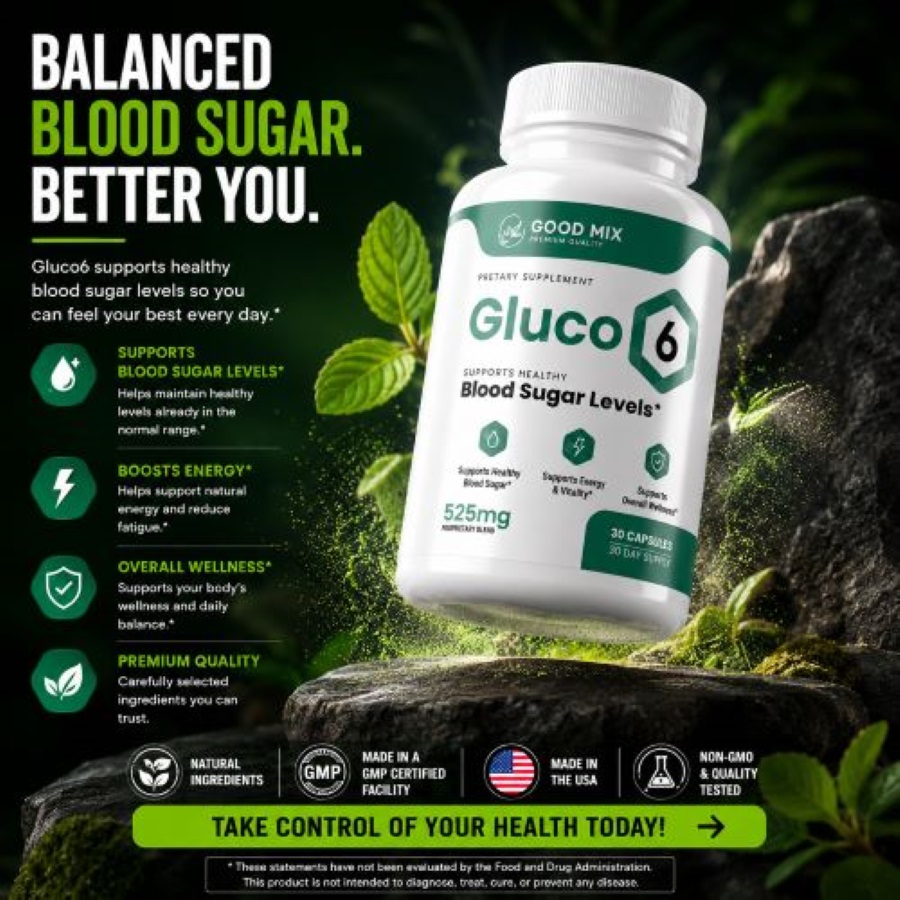
Fabricated-Feeling Testimonials and Inconsistent Ratings
Several Gluco6 pages feature a detailed “90-day personal test” narrative, complete with specific week-by-week fasting glucose readings dropping from 132 to 114. That kind of hyper-specific, precisely numbered personal account is a common format in affiliate marketing, designed to feel more credible than a vague testimonial while still being impossible to independently verify. Other pages list customer reviews under full names, ages, and cities — “Maria Delgado, 46, San Antonio, TX” — details that add the appearance of authenticity without any way to confirm these are real people.
The ratings themselves aren’t even consistent: one source shows 3.6 out of 5 based on 5 reviews, while another claims a 4.7 average. When review scores vary this much across sources describing the same product, it’s reasonable to treat every individual number as unverified rather than averaging them in your head as reliable data.
What’s Actually in Gluco6 and What’s Worth Questioning
Setting the marketing aside, the ingredient list across most sources includes chromium, berberine, cinnamon extract, Gymnema Sylvestre, and alpha lipoic acid — all ingredients with genuine, independent research behind blood sugar support in various studies. The issue isn’t that these ingredients are fake; it’s that the “GLUT-4 activation” framing used to market Gluco6 specifically isn’t tied to a published study of the finished formula, and the doses of each ingredient aren’t consistently disclosed across the marketing pages reviewed.
If you’re drawn to this ingredient combination, it’s worth comparing Gluco6’s price and claims against other products using the same compounds at clearly disclosed doses, rather than paying a premium for marketing language built around a specific-sounding biological mechanism that isn’t independently confirmed for this product.
How to Protect Yourself Before Buying Gluco6
If you’re managing diabetes or prediabetes, loop your doctor in before adding any new supplement, since berberine and chromium can interact with glucose-lowering medications and increase the risk of blood sugar dropping too low. Read the actual return policy before ordering, keep your purchase confirmation, and be skeptical of any single press release or testimonial, no matter how many outlets appear to have published it.
This article is for informational purposes only and is not medical advice. Consult a healthcare provider before starting any blood sugar supplement, and never replace prescribed diabetes treatment with an unverified product.
Frequently Asked Questions About Gluco6
Is Gluco6 backed by real clinical research? Individual ingredients like berberine and chromium have general research behind them, but the specific “GLUT-4 activation” claims made about the finished Gluco6 formula aren’t tied to an independently verifiable clinical trial.
Why do so many Gluco6 reviews sound identical? Much of the content was distributed through paid wire services and syndicated across many sites, which explains the repeated phrasing rather than independent reviewer agreement.
Has Gluco6 been the subject of a health complaint? A document pattern suggests a possible filing within a state health department’s complaint system, though the specific details couldn’t be confirmed, which is itself a reason for added caution.
Can Gluco6 replace diabetes medication? No. No dietary supplement should replace prescribed diabetes treatment, and anyone managing diabetes should consult a doctor before adding a new supplement.
Have you come across a Gluco6 review that felt copy-pasted across multiple sites, or found a complaint record for a supplement you were researching? Share what you found in the comments — and let me know if you’d like a future post on how to check a supplement for regulatory complaints before buying.