

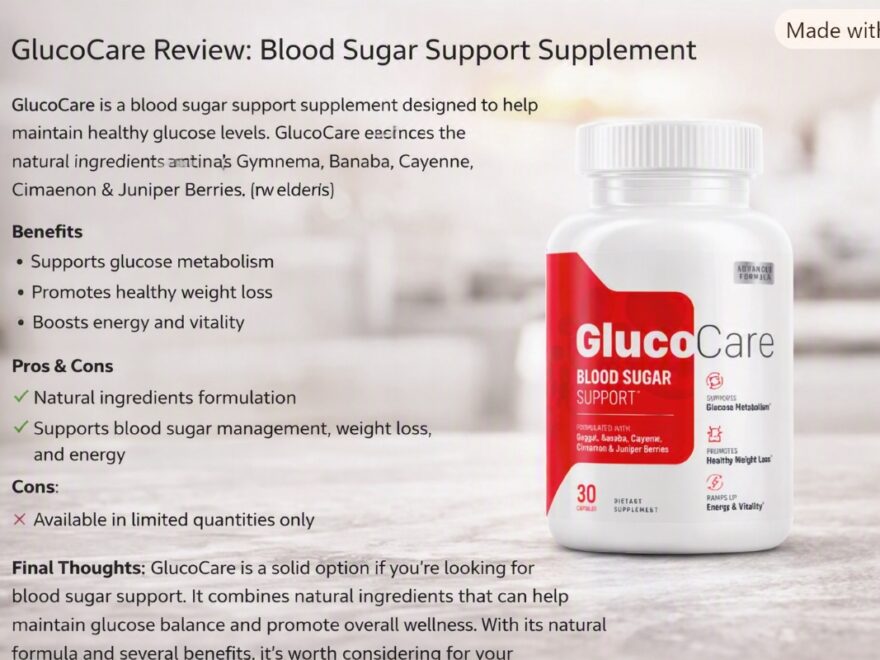
Gluco Care Review: Why This Name Leads to Confusing, Conflicting Claims
If you’ve searched for a Gluco Care review, you may have noticed something unusual: the results don’t describe the same product. One site talks about restoring pancreatic cells, another describes a completely different formula built around a single plant extract, and a third uses dense scientific-sounding language that doesn’t quite add up. This Gluco Care review exists to untangle that confusion, because understanding it matters more than repeating any single site’s claims.
Blood sugar supplements are already a category worth extra caution, since the people researching them are often managing real health concerns like prediabetes or type 2 diabetes. When a product name turns out to represent several different, unrelated formulas across the internet, that’s a sign to slow down before trusting any of them with something this important.
Why “Gluco Care” Doesn’t Point to One Consistent Product
The clearest issue with researching Gluco Care is that the name isn’t tied to a single, verifiable formula. One official-looking site describes a supplement that claims to restore islet cell function in the pancreas. A completely separate company sells a product called “Gluco Care Plus” built around 3,000 milligrams of Costus Igneus, sometimes called the “insulin plant,” prepared like a tea rather than taken as a capsule. These aren’t variations of the same product — they’re different companies using an overlapping name.
This kind of naming overlap happens often in the supplement industry, where generic, descriptive names like “Gluco Care” or “Blood Sugar Support” get reused by multiple unrelated brands. The practical effect for a shopper is real risk: reviews and reported side effects for one formula can get mixed up with an entirely different product that just happens to share a name, making it hard to trust any single review at face value.
The Pseudo-Scientific Language Worth Questioning
Some Gluco Care marketing pages lean heavily on technical-sounding phrases like “AMPK activation,” “mitochondrial biogenesis,” and “insulin receptor optimization,” strung together in ways that sound impressive but don’t actually cite a study or explain a specific mechanism in plain terms. Real clinical explanations reference a named study, a measured outcome, and a sample size — not just biology vocabulary arranged into confident-sounding sentences.
One site attributes its analysis to a named reviewer, described as a medical doctor with 15 years of supplement evaluation experience. Without an independent way to confirm this person’s credentials or their actual involvement in reviewing this specific product, a credentialed-sounding byline functions more as a trust signal than verified expertise. It’s worth searching any cited expert’s name independently before taking their endorsement at face value.
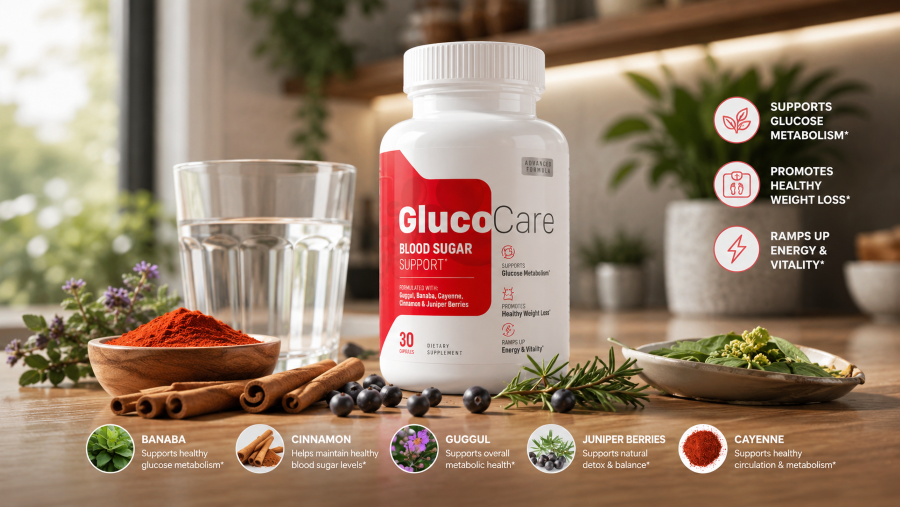
Small Details That Reveal Templated Content
One of the clearest signs that some Gluco Care marketing wasn’t written specifically for this product shows up in a small but telling detail: an ingredient list that labels biotin as “(chromium)” and manganese as “(manganese)” — an obvious leftover from a find-and-replace template used to quickly generate content for multiple different supplements. Details like this are easy to miss if you’re skimming, but they’re one of the most reliable signs that a “review” was mass-produced rather than researched.
- Compare the ingredient list across several sources claiming to review the same product — if they don’t match, you’re likely looking at different products sharing a name
- Watch for dense scientific jargon with no linked study, sample size, or named researcher behind it
- Search any cited expert’s name and credentials independently to see if they have a verifiable presence outside that one article
- Look for small formatting errors, like mismatched parentheses on ingredient names, which often reveal templated or automated content
- Buy only from the specific official site tied to the exact formula and claims you’ve actually researched, not a generic search result
What to Do If You’re Still Considering a Product Like This
If you decide to move forward with any supplement carrying the Gluco Care name, treat it as researching one specific product from one specific company, not a category. Confirm the exact ingredient list, dosage, and manufacturer printed on the bottle you’d actually receive, and disregard marketing claims from other sites describing a different formula under the same name.
More importantly, no supplement in this category should replace prescribed diabetes treatment or medical monitoring. If you’re managing diagnosed diabetes or prediabetes, loop your doctor in before adding any blood sugar supplement, since ingredients like chromium, berberine, or gymnema can interact with medications that also affect glucose levels.
This article is for informational purposes only and is not medical advice. Consult a healthcare provider before starting any blood sugar supplement, and never replace prescribed diabetes medication with an over-the-counter product.
Frequently Asked Questions About Gluco Care
Is Gluco Care one single product? No. The name is used by multiple unrelated companies selling different formulas, which is why reviews and ingredient lists vary significantly depending on the source.
Why do Gluco Care reviews describe different ingredients? Because several unrelated products share this name, ingredient lists genuinely differ — always verify the label on the specific product and company you’re considering.
Can Gluco Care replace diabetes medication? No. No dietary supplement should replace prescribed diabetes treatment, and medical monitoring should continue regardless of which supplement you try.
How can I tell if a Gluco Care review is trustworthy? Check whether the ingredient list matches the official manufacturer’s site, look for verifiable expert credentials, and be cautious of jargon-heavy claims with no linked research.
Have you come across conflicting information while researching a Gluco Care review, or found a different product hiding behind a similar name? Share what you discovered in the comments — and let me know if you’d like a future post covering how to verify a supplement manufacturer before buying.