

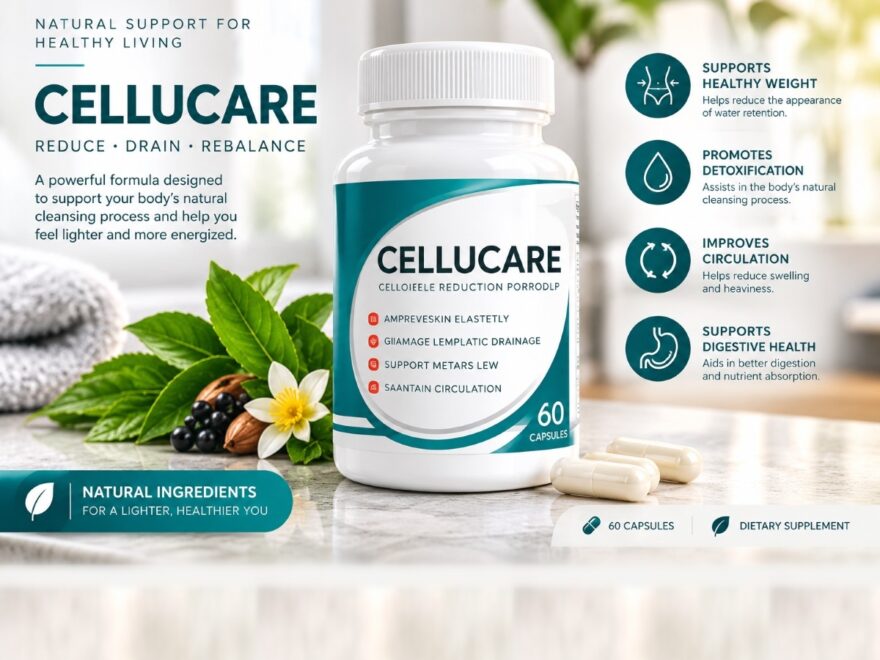
Cellucare Review: Sorting Out a Confusing Ingredient Story
Before getting into whether Cellucare is worth trying, it’s worth clearing up two points of confusion that most reviews skip. First, “CelluCare” is also the name of an unrelated cosmetic injection product used in aesthetic treatments — a completely different thing from the blood sugar supplement this review covers. Second, even among sources describing the supplement correctly, the exact ingredient list varies noticeably from page to page. This Cellucare review sorts through both issues before looking at what the research actually supports.
Blood sugar management is a genuine, widespread concern, which is exactly why this supplement category attracts so much promotional content. Understanding what’s consistently documented about Cellucare, versus what shifts between sources, matters more here than in most product reviews.
What Cellucare Claims to Do
Cellucare is a daily capsule supplement marketed to support healthy blood sugar levels, circulation, energy, and metabolic wellness. It’s produced in a GMP-compliant U.S. facility and sold in packages ranging from 30-day trials to 180-day supplies, typically backed by a 90-day money-back guarantee. To its credit, several of the more detailed reviews explicitly state that Cellucare is not intended to diagnose, treat, cure, or prevent diabetes or any disease, and shouldn’t replace prescribed medication — a caveat worth taking seriously rather than skimming past.
Why the Cellucare Ingredient List Keeps Changing
This is the detail most worth flagging directly. Depending on which source you check, Cellucare‘s formula is described as containing turmeric, cocoa bean extract, and eleuthero; or berberine, chromium, and cinnamon bark; or gymnema, banaba leaf, and pine bark extract. Some listings combine several of these into a “12+ ingredient” blend, while others name only a handful. One more transparent review notes plainly that the remaining ingredients beyond the main few aren’t fully disclosed across all product pages — a legitimate criticism worth weighing before you buy, since it means you may not know the complete list of what you’re taking until the bottle is actually in hand.
The ingredients that do appear consistently across sources have real research behind them individually:
- Gymnema Sylvestre — Studied for reducing sugar cravings and supporting healthier glucose response, one of the more consistently cited ingredients across blood sugar formulas generally.
- Banaba leaf — Contains corosolic acid, researched for modest blood sugar support, though most human trials remain small.
- Berberine — Among the more researched natural compounds for glucose metabolism when it appears in the formula, though dosage varies by source.
- Turmeric and pine bark extract — Both genuine antioxidants, with more evidence for general anti-inflammatory support than blood-sugar-specific outcomes.
No published clinical trial has tested the complete Cellucare formula as a finished product, regardless of which version of the ingredient list is accurate, which means claims about the combined effect remain unverified beyond individual-ingredient research.
What Actually Supports Healthy Blood Sugar Long-Term
Whether or not you try Cellucare, these approaches have more consistent, independent evidence behind them:
- Post-meal movement. A short walk after eating measurably improves how the body clears glucose from the bloodstream.
- Fiber-forward meals. Pairing carbohydrates with fiber or protein slows absorption and reduces sharp spikes.
- Sleep consistency. Poor sleep is strongly linked to reduced insulin sensitivity, even without other risk factors.
- Regular bloodwork. The only reliable way to know whether any intervention, including Cellucare, is actually making a measurable difference.
Pricing, Guarantees, and Who Should Be Cautious
Cellucare is sold exclusively online, often through ClickBank, and is not intended for anyone under 18. Anyone currently on diabetes medication should talk to a doctor before starting it, since several of its possible ingredients — particularly berberine and chromium, when present — can interact with those medications and potentially cause blood sugar to drop too low. Given the inconsistent ingredient disclosure across sources, it’s worth reviewing the actual supplement facts panel from whichever specific listing you’re buying from, rather than relying on a general description.
How to Evaluate a Supplement With Inconsistent Ingredient Claims
Cellucare isn’t unique in having its formula described differently across various reviews and sales pages, but it’s a useful case study for a broader skill worth building: knowing how to evaluate a product when the information about it doesn’t fully agree. The most reliable approach is to go directly to the current official product listing you intend to buy from and treat that Supplement Facts panel as the source of truth, rather than piecing together a formula from several third-party articles that may be describing different versions, different time periods, or simply repeating each other’s errors.
It’s also worth being specifically skeptical of any Cellucare review that describes the formula in vague terms like “12+ powerful ingredients” without naming most of them, since that phrasing is often used to sound comprehensive while avoiding the more time-consuming work of actually disclosing and sourcing each component. A shorter, fully disclosed ingredient list you can verify is generally more useful to a careful buyer than a longer one that only names a handful of its components clearly.
Frequently Asked Questions About Cellucare
Is Cellucare the same as the CelluCare skincare injection?
No. That’s an unrelated cosmetic product; this Cellucare is an oral blood sugar supplement, and the two shouldn’t be confused.
Why do Cellucare ingredient lists differ between websites?
Different sellers and reviewers describe the formula inconsistently, and not all ingredients are disclosed on every product page, which is a fair criticism worth factoring into your decision.
Can Cellucare replace diabetes medication?
No. Multiple sources explicitly state it’s not intended to treat diabetes and shouldn’t replace prescribed treatment.
Final Thoughts on This Cellucare Review
The ingredients most consistently tied to Cellucare — gymnema, banaba, and berberine among them — have real individual research behind them, but the inconsistent ingredient disclosure across sources is a genuine reason for caution, not just a marketing quirk. Confirm the exact label before buying, and treat it as a possible addition to, not a replacement for, medical blood sugar management.
Have you tried Cellucare? Which ingredient list matched what was actually on your bottle? Share your experience in the comments below.
